
By admin
Global Policies and Programs Advancing Girls’ Education
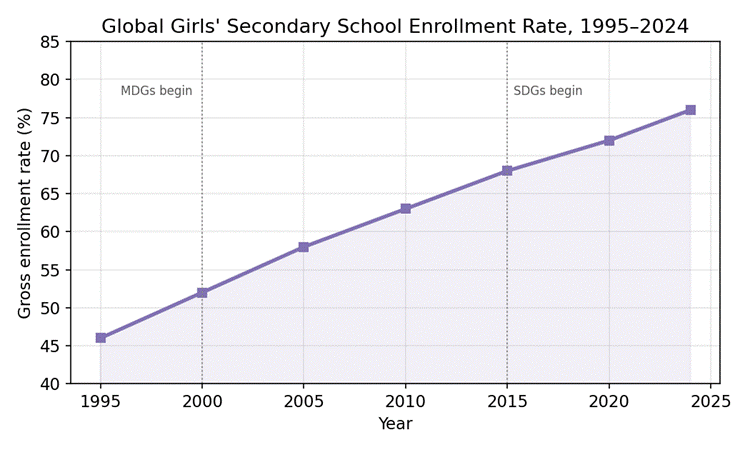
The steady global progress in girls’ education over the past three decades did not happen by accident. It reflects a sustained, if imperfect, effort by national governments,

The steady global progress in girls’ education over the past three decades did not happen by accident. It reflects a sustained, if imperfect, effort by national governments,
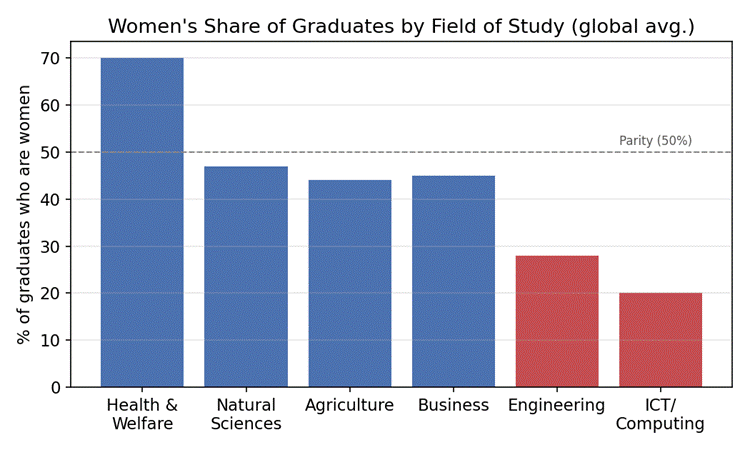
One of the more remarkable demographic shifts in global education over the past half-century has been the reversal of the gender gap in higher education enrollment. In much of the
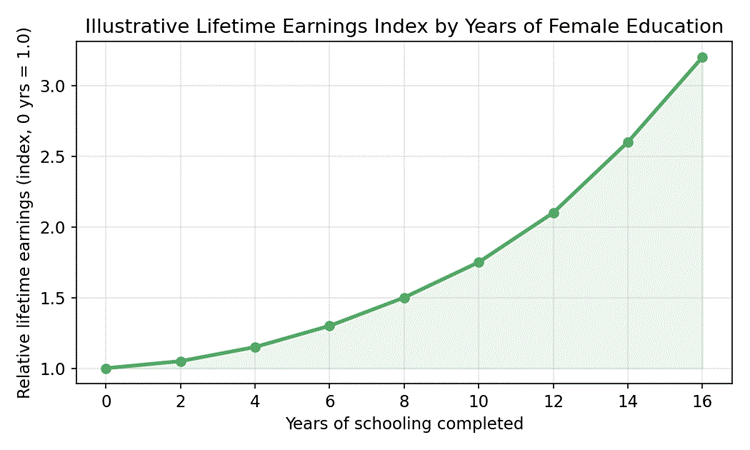
Economists and development researchers have spent decades documenting what may be one of the most consistently replicated findings in the social sciences: investing in girls’
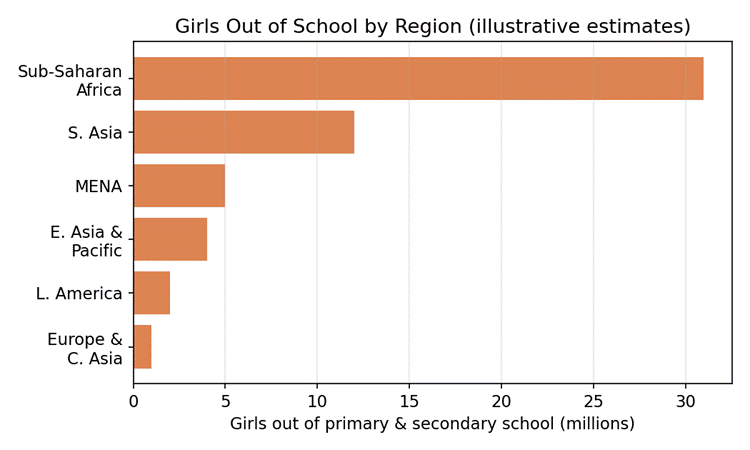
Despite decades of progress, an estimated 122 million girls remain out of school worldwide, according to UNESCO figures, concentrated disproportionately in sub-Saharan Africa and p
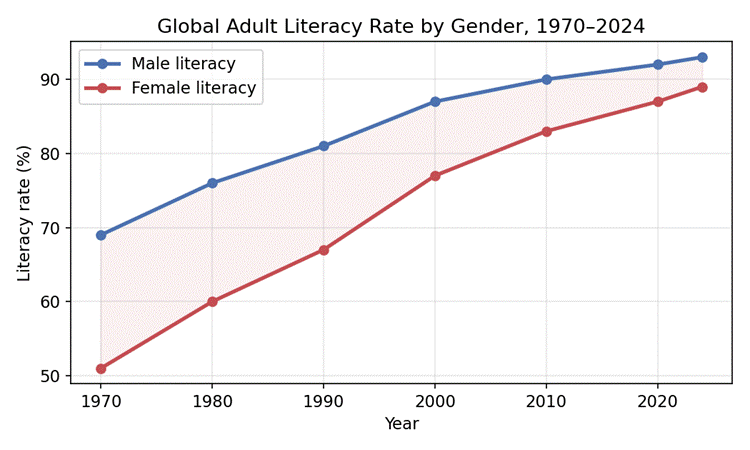
For most of recorded history, formal education was treated as the near-exclusive province of men. Women were frequently barred from schools and universities altogether, or steered
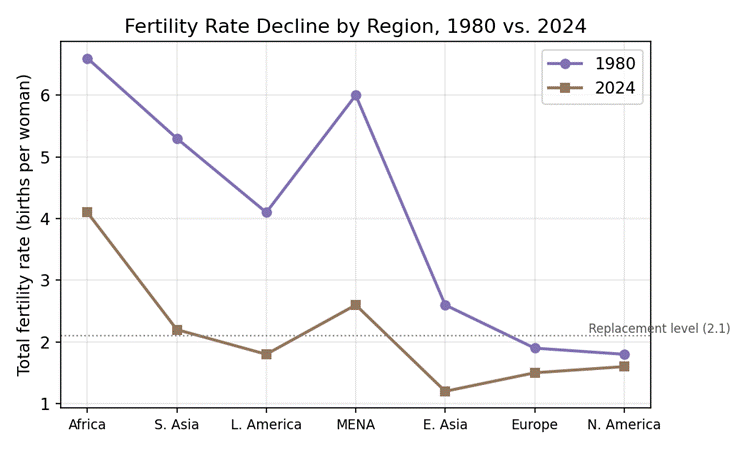
Governments have attempted to influence the size and growth rate of their populations for centuries, but the tools, goals, and ethical frameworks surrounding population policy have
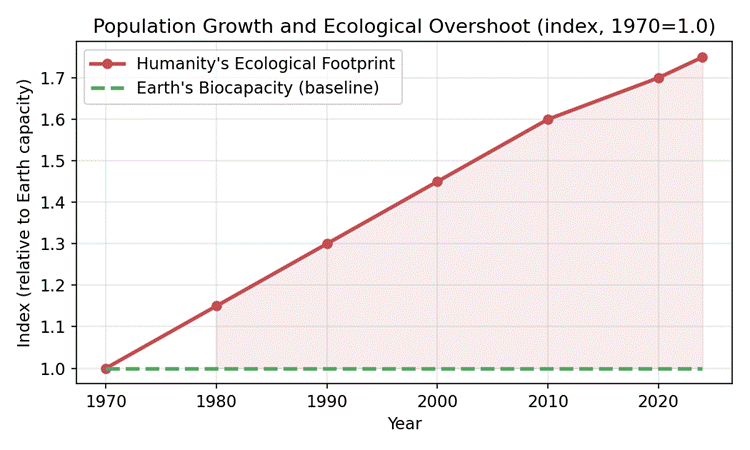
The relationship between human population and the natural environment has been debated by scientists, economists, and policymakers for well over two centuries, since the English sc
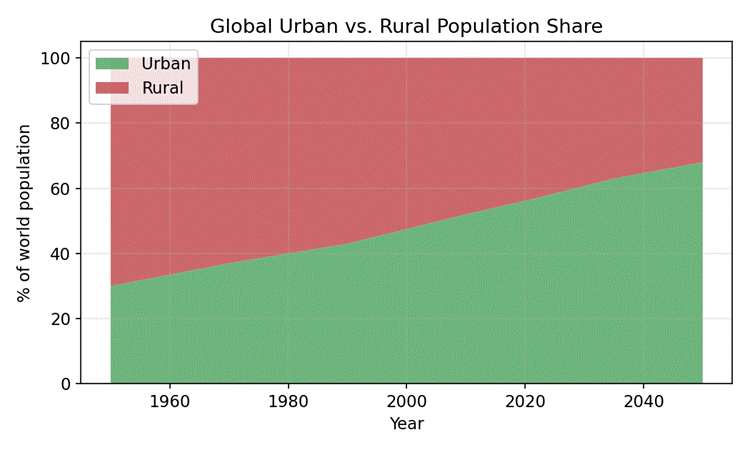
In 2007, a quiet demographic milestone passed largely unnoticed by most of the world: for the first time in human history, more people lived in cities than in rural areas. That thr
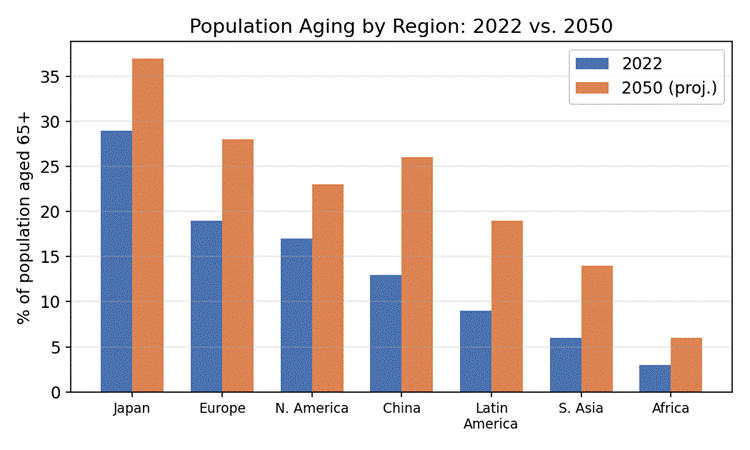
While much of the twentieth century’s population conversation centered on rapid growth, the defining demographic story of the twenty-first century is aging. As birth rates fa
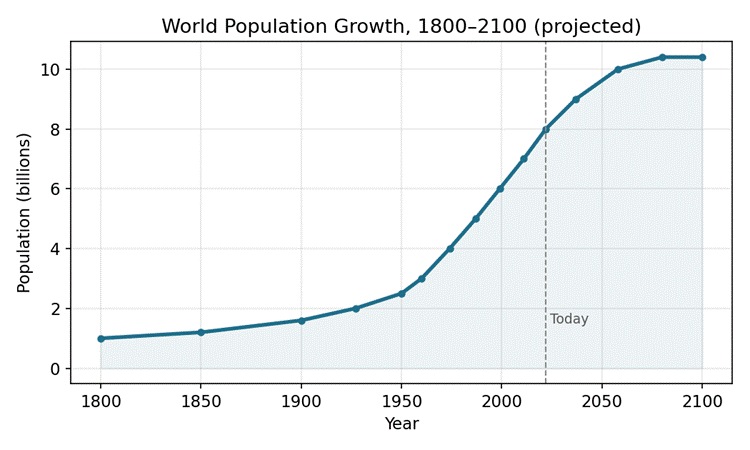
For most of human history, population growth was so slow that it was barely perceptible within a single lifetime. It took until roughly the year 1800 for the world’s populati